You walked the yard the morning after the storm. A few small branches, the trash can on its side, maybe some shingle grit in the gutters. You looked up at the roof, didn't see a hole, and moved on with your day.
That's exactly how most roof damage in New Jersey goes unnoticed until it's expensive.
Here at Lumii Roofing, we inspect roofs across Bergen, Passaic, Essex, Hudson, and Morris counties, and the single most common thing we hear is some version of: "It looked fine from the ground." It usually did. The problem is that the damage that matters most — lifted shingles, bruised granules, cracked sealant, dinged flashing — is invisible from your driveway and only shows itself when water finds its way in. By then, you're not paying for a repair. You're paying for a repair plus drywall, insulation, and maybe a ceiling.
Why June is peak hidden-damage season in Northern NJ
“Most homeowners do not realize that hail and wind damage is often not visible from the ground.”
Roofing Contractor, June 2026
Late spring and early summer is when Northern New Jersey gets its most violent, fast-moving thunderstorms — the kind that drop quarter-sized hail and 60-mph wind gusts on Bergen, Essex, and Passaic in the span of twenty minutes and then move on like nothing happened. You can watch the NWS New Jersey hazard forecast light up almost weekly this time of year.
And 2026 has been an unusually active storm year nationally. The trade publication Roofing Contractor reported in June 2026 that storm damage is on track to exceed $50 billion this year, with the Northeast named among the active regions and hail accounting for the majority of severe-storm losses. The article quotes a working contractor with the line we repeat to every NJ homeowner who calls: "Most homeowners do not realize that hail and wind damage is often not visible from the ground."
That's the whole problem in one sentence.
The hidden signs of wind and hail damage
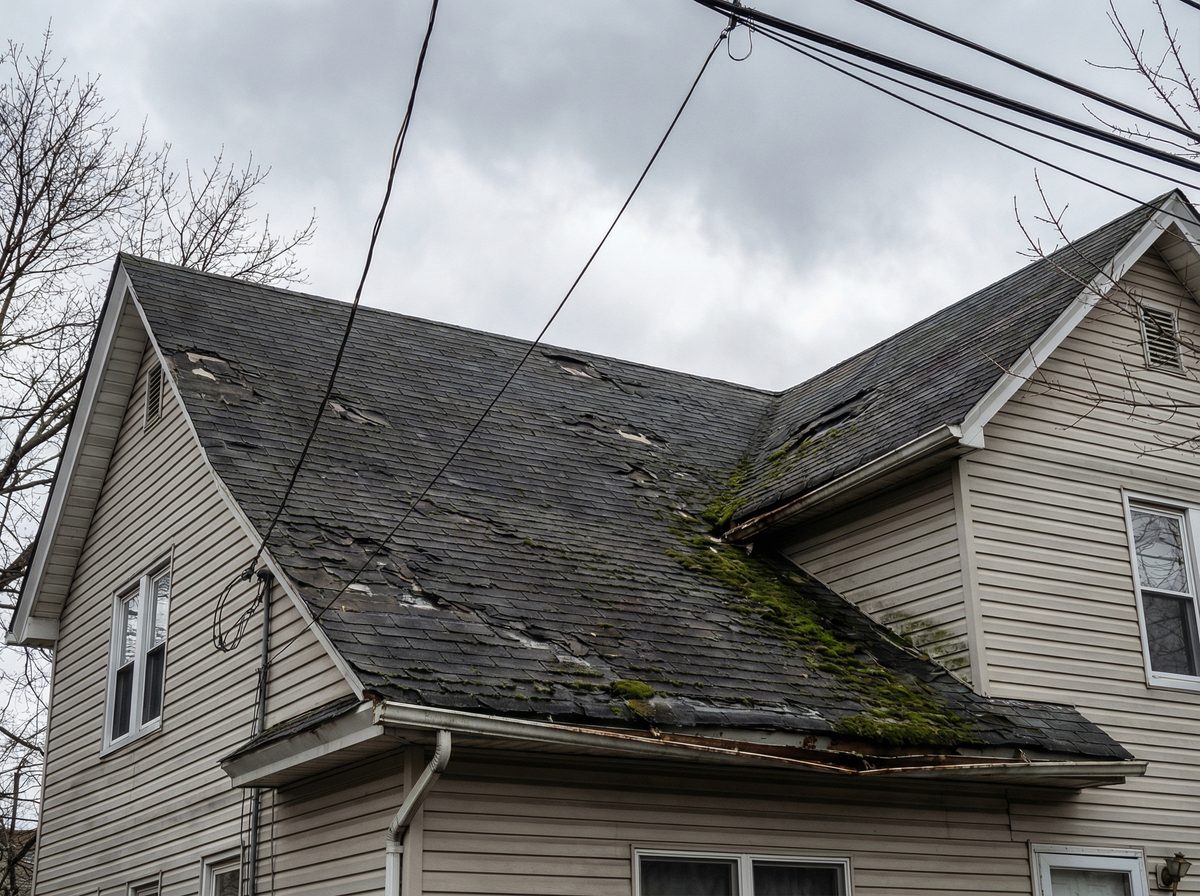
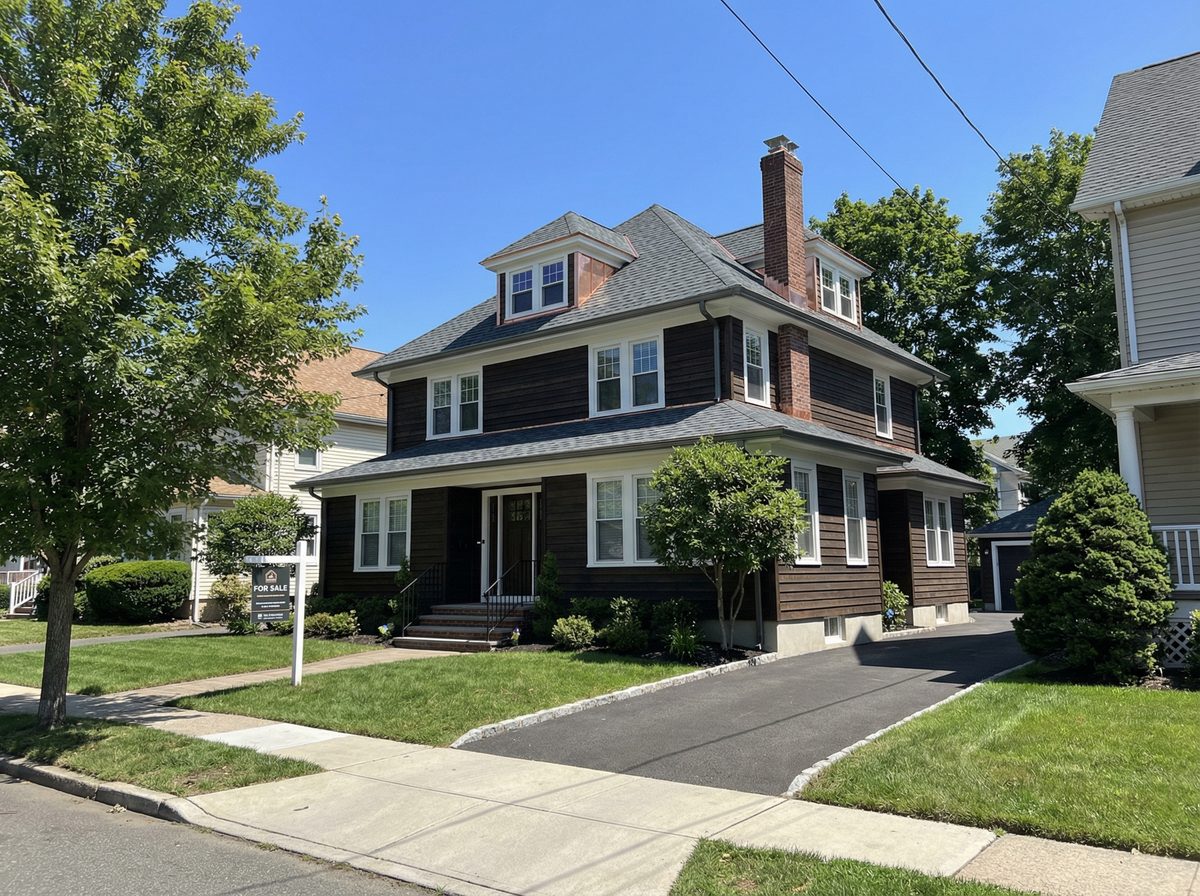
You don't need to climb up there — that's our job, and doing it safely is a real skill — but here's what we're actually looking for when we get on your roof:
Wind damage
- Lifted or creased shingles. Wind gets under a shingle's edge, breaks the seal, and folds it back. It often lays back down flat afterward, so from the ground it looks normal — but the seal is gone and the next rain drives water underneath.
- Missing shingles or tabs. Obvious when you can see them; easy to miss on the back slope or a dormer you can't view from the street.
- Damaged or displaced flashing around chimneys, vents, and valleys — the #1 hidden leak point.
Hail damage
- Bruising. Hail knocks the protective granules off the shingle, leaving soft, dark spots that shorten the roof's life even when nothing is leaking yet.
- Granules in the gutters and at downspout splash blocks. A heavy load of grit after a storm is a tell.
- Dents on soft metal — gutters, vents, the AC unit, mailbox. If hail dented those, it hit your shingles too.
The interior tells
- Fresh water stains on ceilings or in the attic, a musty smell, daylight through the roof boards, or peeling paint near the roofline. These mean water is already inside.
Why "wait and see" is the expensive option
Two reasons, both specific to New Jersey homeowners right now.
First, damage compounds. A broken seal that's harmless in June leaks in the July downpour and rots decking by September. The repair that would've been a few hundred dollars becomes a structural job.
Second, your insurance window is closing whether you can see the damage or not. New Jersey insurers increasingly apply depreciation to older roofs and have tightened what counts as "functional" versus "cosmetic" damage. The longer you wait, the harder it is to tie the damage to a specific storm — and the more an adjuster can argue it's just age. (The Insurance Information Institute has a plain-English overview of how roof claims work.) Documenting damage now, right after the event, is the single best thing you can do to protect a potential claim. We can't promise an insurance company will approve or pay a claim — nobody honest can — but we can make sure the damage is thoroughly photographed and documented the right way.
What a Lumii free inspection actually includes
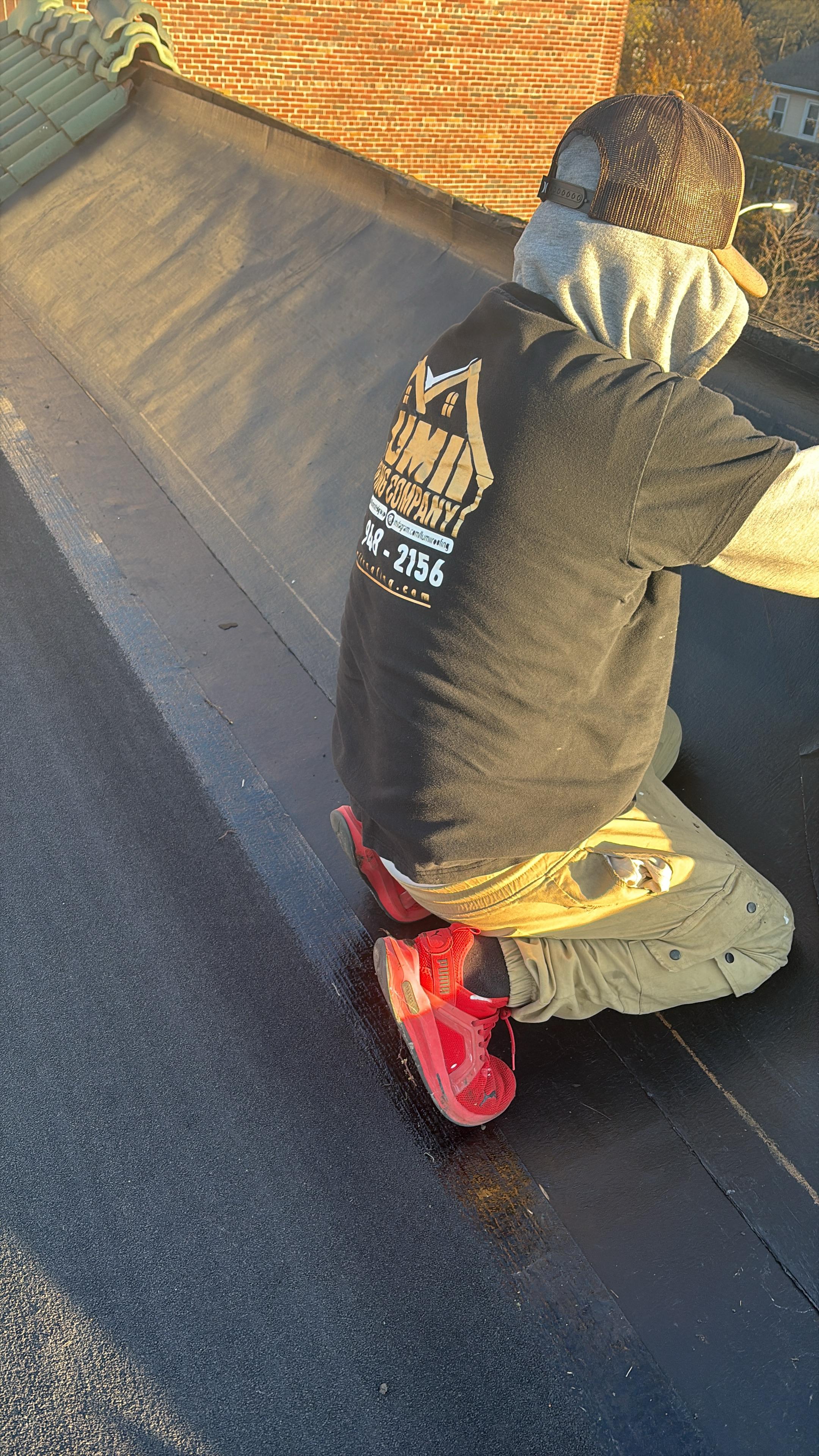
No cost, no pressure, no obligation. Here's the actual process:
- We come to your home anywhere in our five-county Northern NJ service area — Hackensack, Paramus, Paterson, Clifton, Teaneck, Montclair, Morristown, Jersey City, and everywhere in between.
- We get on the roof and document every inch with photos — the stuff you can't see from the ground.
- You get an honest report. If your roof is fine, we tell you it's fine. If it needs a repair, we show you exactly what and why. If it's storm damage that may qualify for a claim, we document it and can work directly with your adjuster.
- You decide. No high-pressure pitch. That's not how we work.
We're a locally owned Hackensack roofer — licensed, insured, and backing every job with our workmanship guarantee plus manufacturer warranties from GAF, Owens Corning, and CertainTeed. We've protected 500+ Northern NJ roofs, and you can see real before-and-afters from Paterson, Hackensack, Lodi, and Teaneck right on our site.
Book your free storm-damage inspection
If a storm has rolled through your area in the last few weeks — and in Northern NJ this time of year, one has — get your roof looked at before the next one. It's free, it's fast, and it could save you thousands.
Call Lumii Roofing at (201) 948-2156 or book your free inspection at lumiiroofing.com/book.
Protect What Matters.
Get Your Free Inspection Today
No cost, no pressure, no obligation. Just an honest, photo-documented report from a contractor you can trust.
Call (201) 948-2156